Consultancy
Ashmount Forge provides an independent, professional consultancy service to owners, trainers, breeding operations, veterinary teams, and farriery departments in the UK and internationally. This work sits alongside our training, stud, and rehabilitation services, but is distinct in purpose: consultancy is not about doing the work — it is about supporting the people who do.
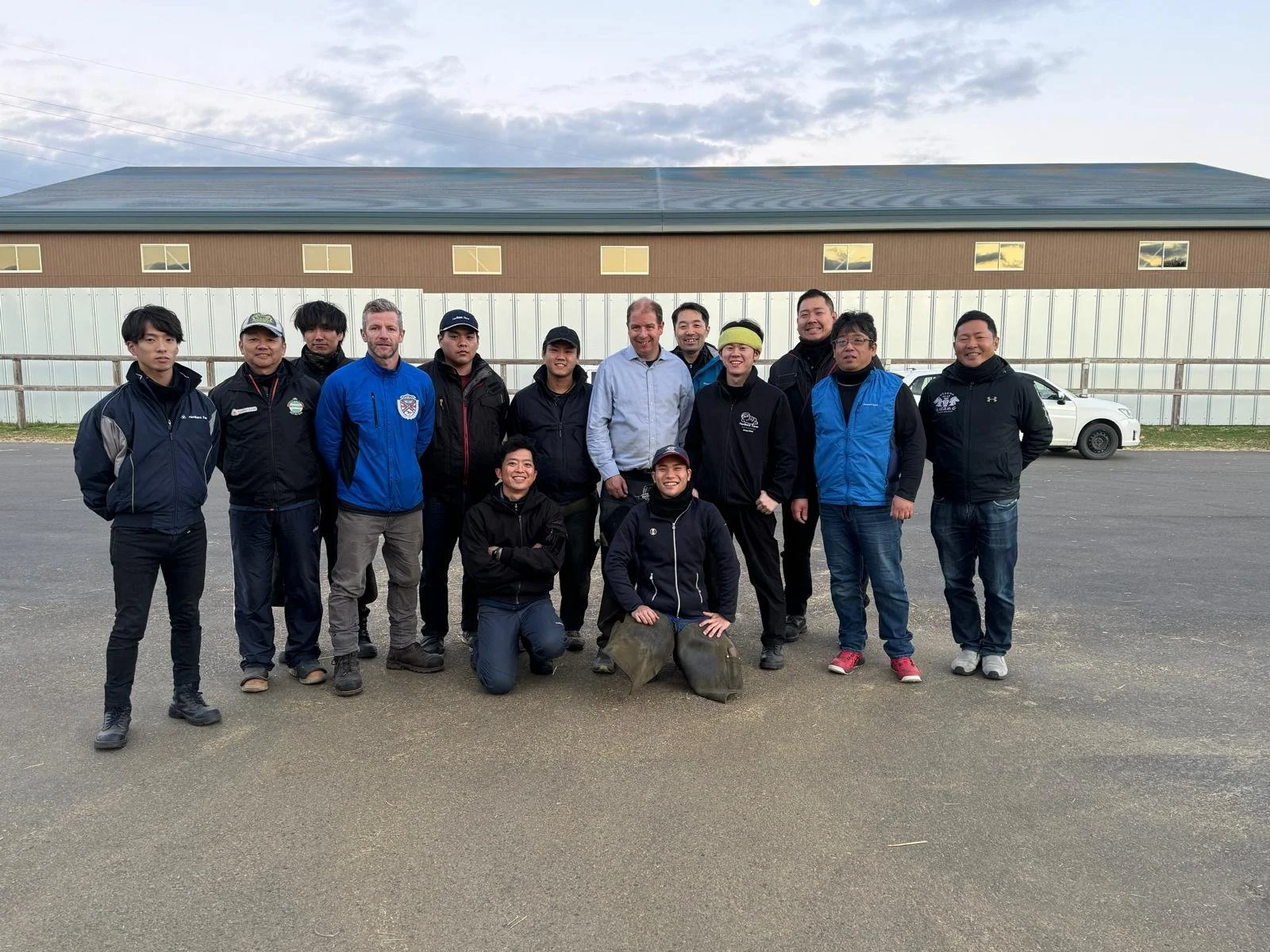
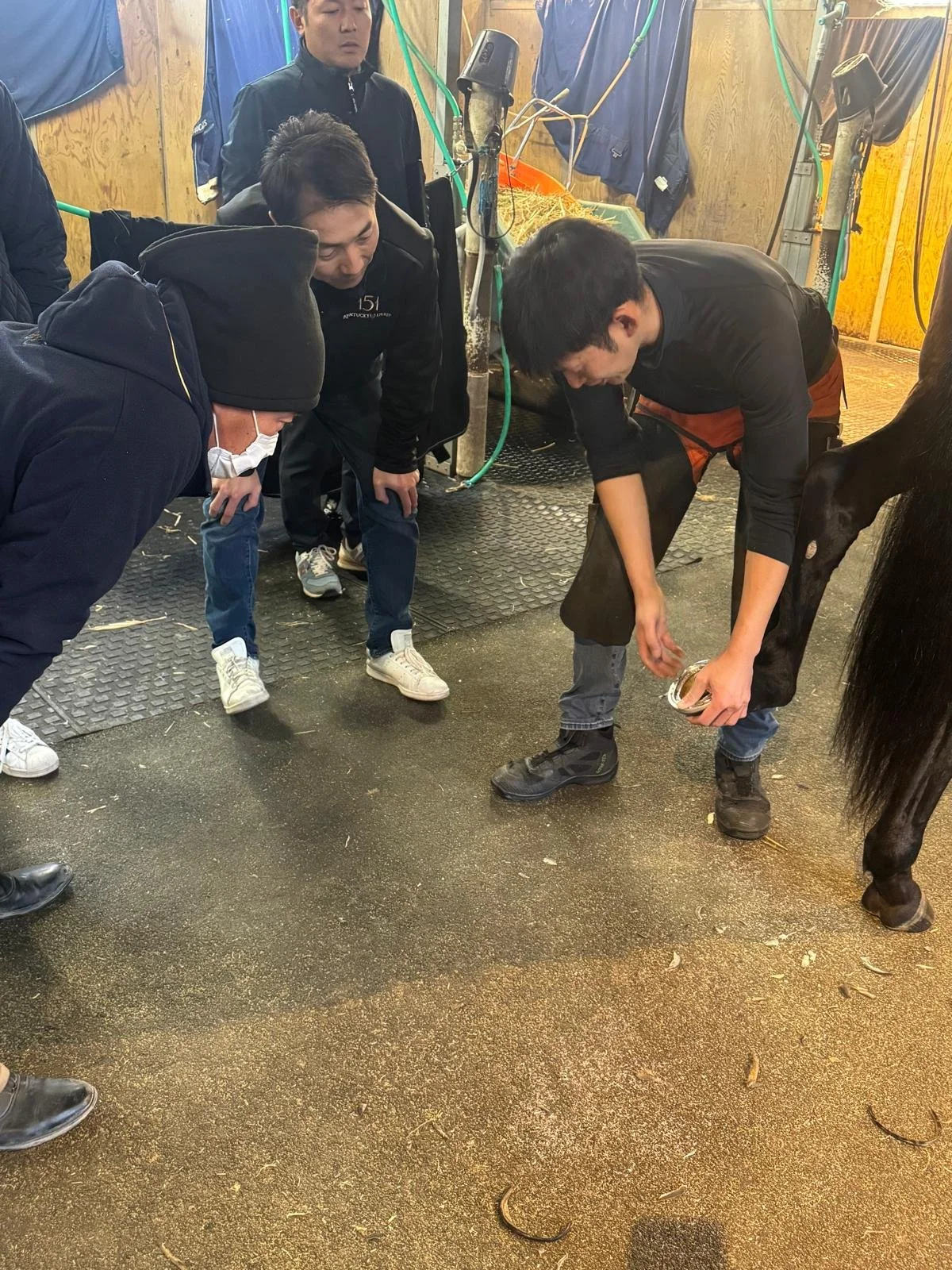
Over the past year alone, Stephen has undertaken consultancy roles across the Middle East, Europe, and Japan, working with major breeding operations, training yards, and racing organisations. Much of this work is ongoing and relationship-based rather than transactional, and discretion is fundamental to how it is delivered.
What consultancy means at Ashmount Forge
In farriery, the word “consultant” is often misused. Giving advice to one’s own clients is not consultancy — it is part of providing a service.
True consultancy is independent, external, and accountable.
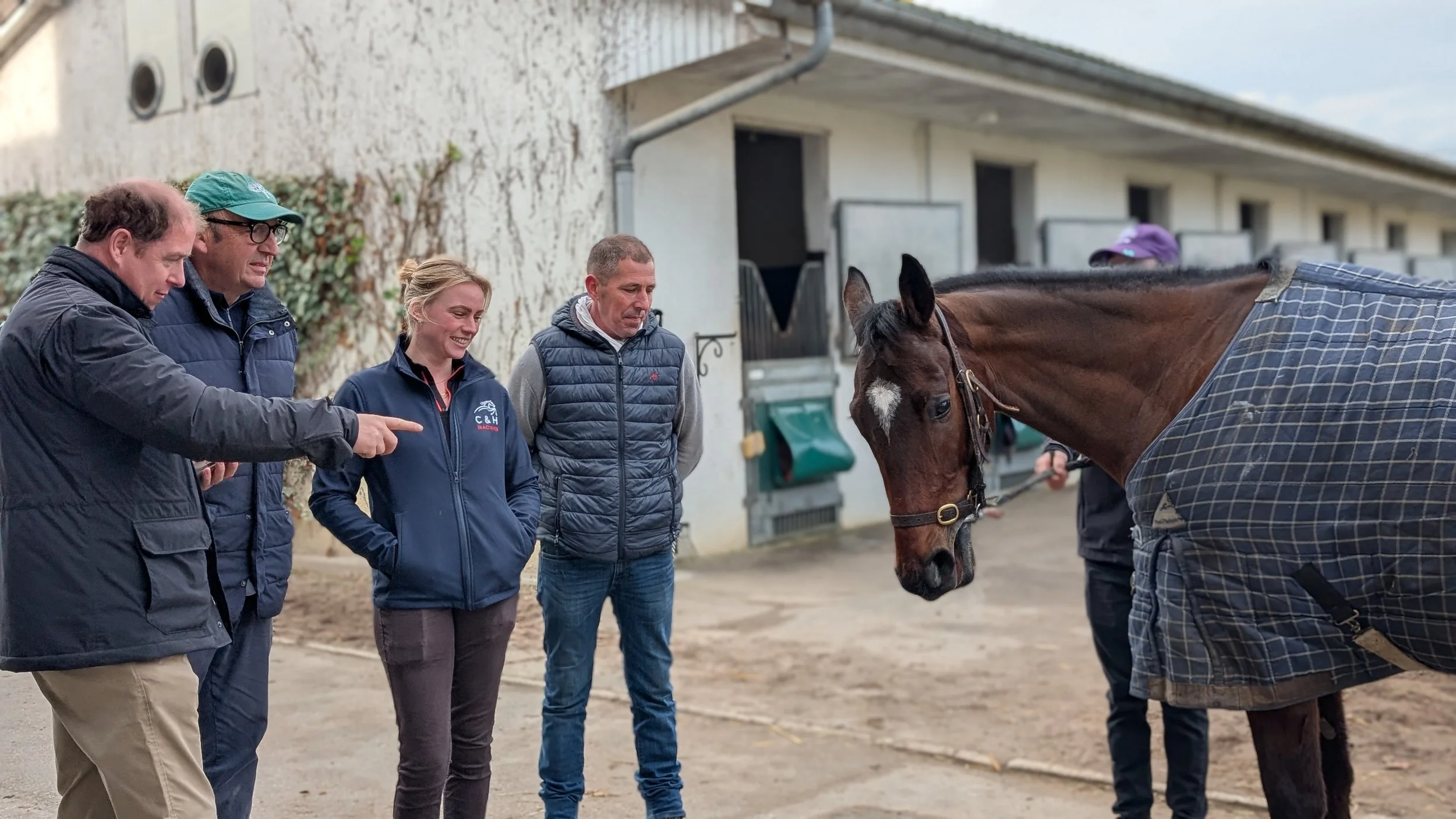
Our role is to provide a second professional perspective that is free from the day-to-day pressures, politics, and constraints that affect internal teams. That may involve reviewing individual horses, assessing an entire hoof-care programme, supporting farriers in their decision-making, or advising management on how their structures, surfaces, staffing, and policies influence outcomes.
Sometimes this is a single visit. Often it becomes a long-term relationship, delivered either on a retained basis or through regular scheduled reviews.
How we work
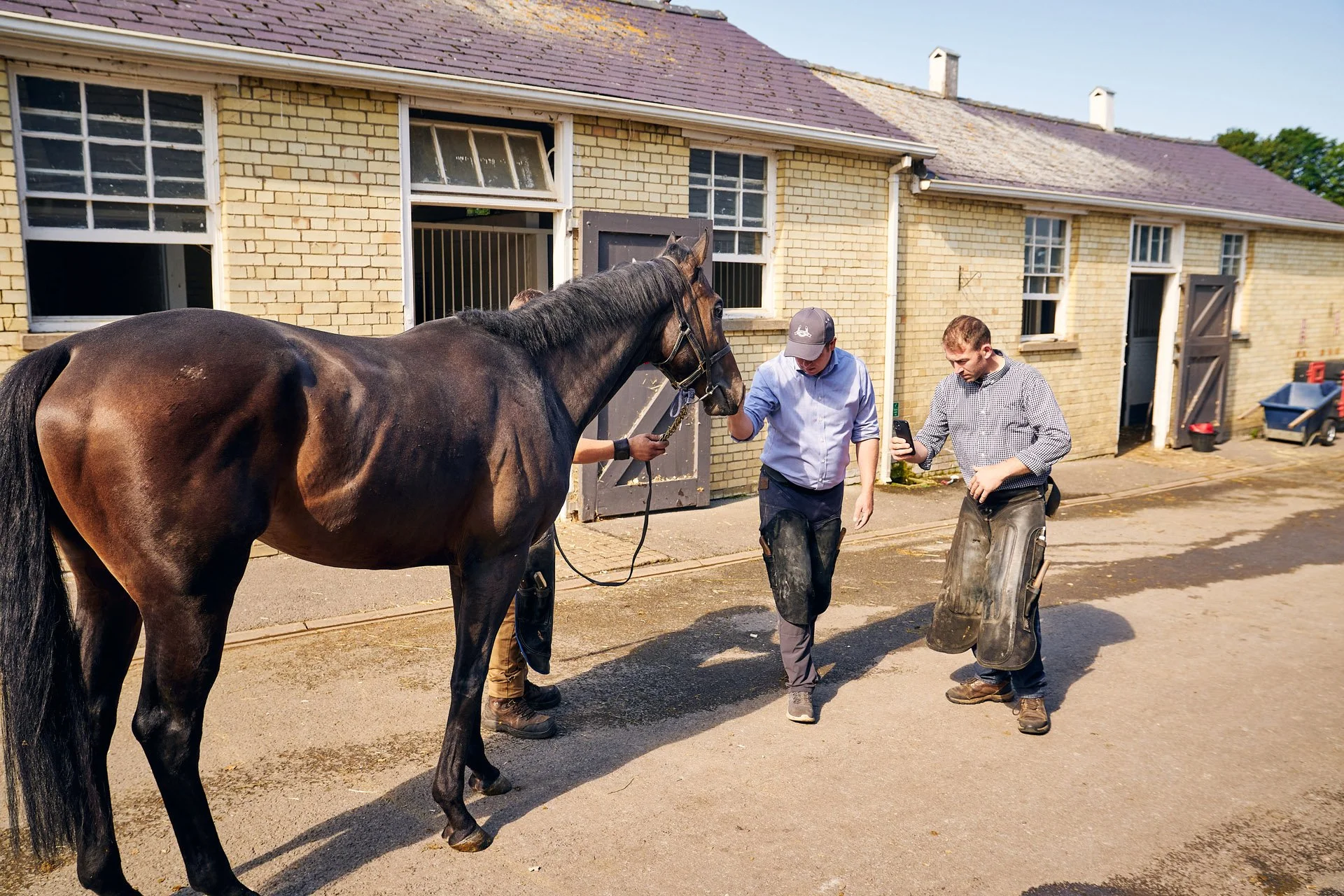
No two consultancy roles look the same, but they tend to fall into three broad categories:
Owner-led oversight
In some cases, we are engaged directly by owners or breeding groups to review their stock independently of the yard or farriery team. This provides reassurance, early identification of risk, and a broader perspective on development and management, particularly with young horses.
Farriery-team support
In other settings, we work alongside established farriery teams, discussing cases, reviewing approaches, and sharing experience. The emphasis is collaborative: exchanging ideas, identifying opportunities for improvement, and supporting positive change within an existing professional group.
Management and organisational consultancy
At a broader level, we advise management on how hoof care is structured within their operation — staffing levels, workflows, surfaces, training regimes, veterinary integration, and communication systems. Because Stephen is both a working farrier and the head of a multi-yard, international business, he understands these challenges from both sides.
Independent, not intrusive
A defining feature of our consultancy is that we do not arrive to take over, dictate, or undermine. We work with people, not against them.
Stephen’s background as a full-time farrier and business owner means he understands the realities of:
Large yards and tight schedules
Staff pressures and resource constraints
Veterinary-farrier relationships
Commercial, political, and practical limitations
That understanding allows conversations to be honest, constructive, and grounded in reality rather than theory.
Structured, professional input
Where appropriate, consultancy work is supported by written reports, formal reviews, and ongoing dialogue with veterinary and management teams. This allows observations and recommendations to be recorded, tracked, and revisited over time, rather than being lost in informal discussion.
In some organisations, this is focused on individual horses. In others, it is strategic and long-term, shaping how an entire operation approaches hoof care.
Discretion and trust
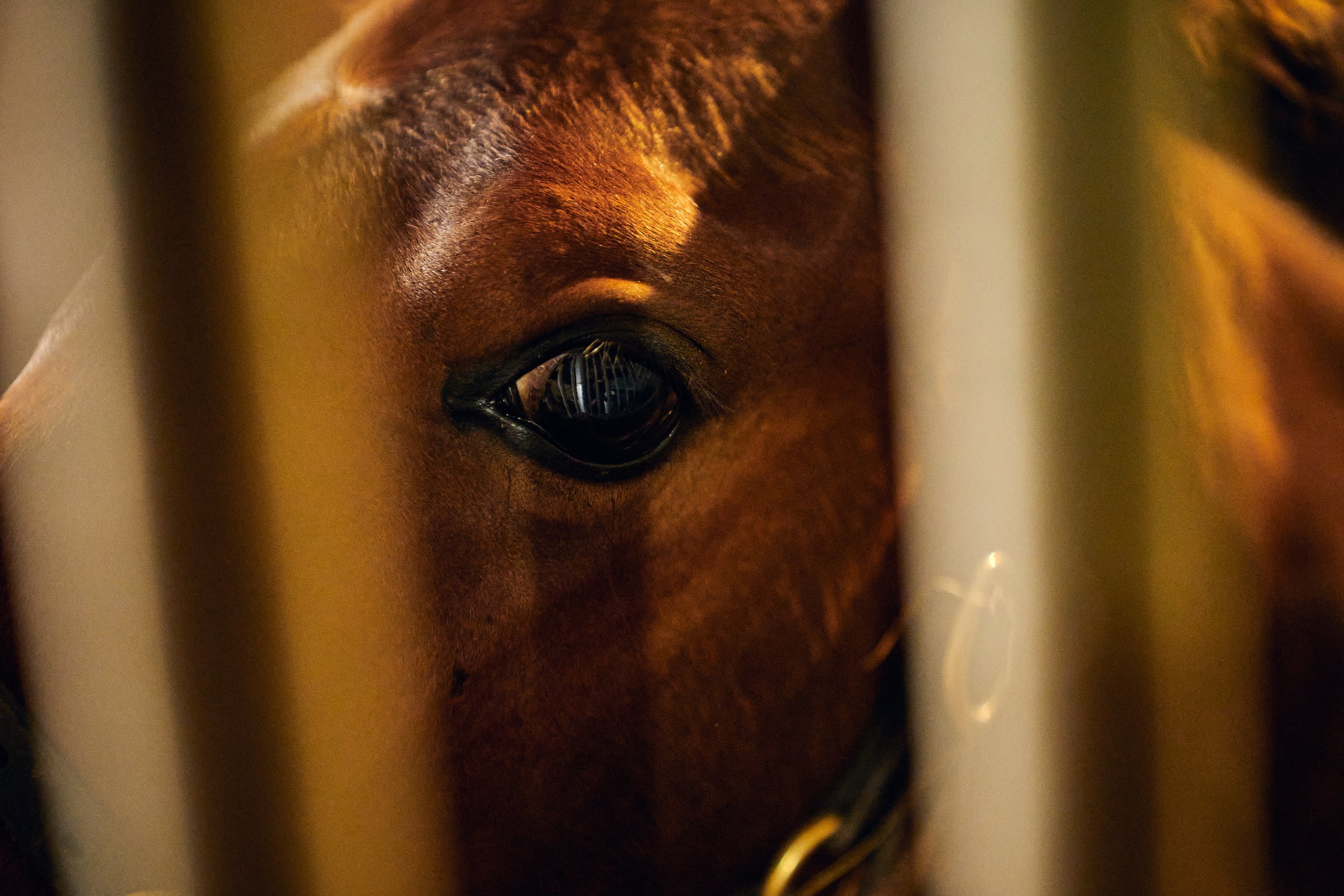
Many of the world’s leading owners, studs, and training operations engage consultants quietly. That discretion is not a limitation — it is a requirement.
Ashmount Forge does not use consultancy relationships for marketing. We do not publicise names, and we do not trade on association. Trust is the foundation of this work, and it is why so many relationships continue year after year.
Why this matters
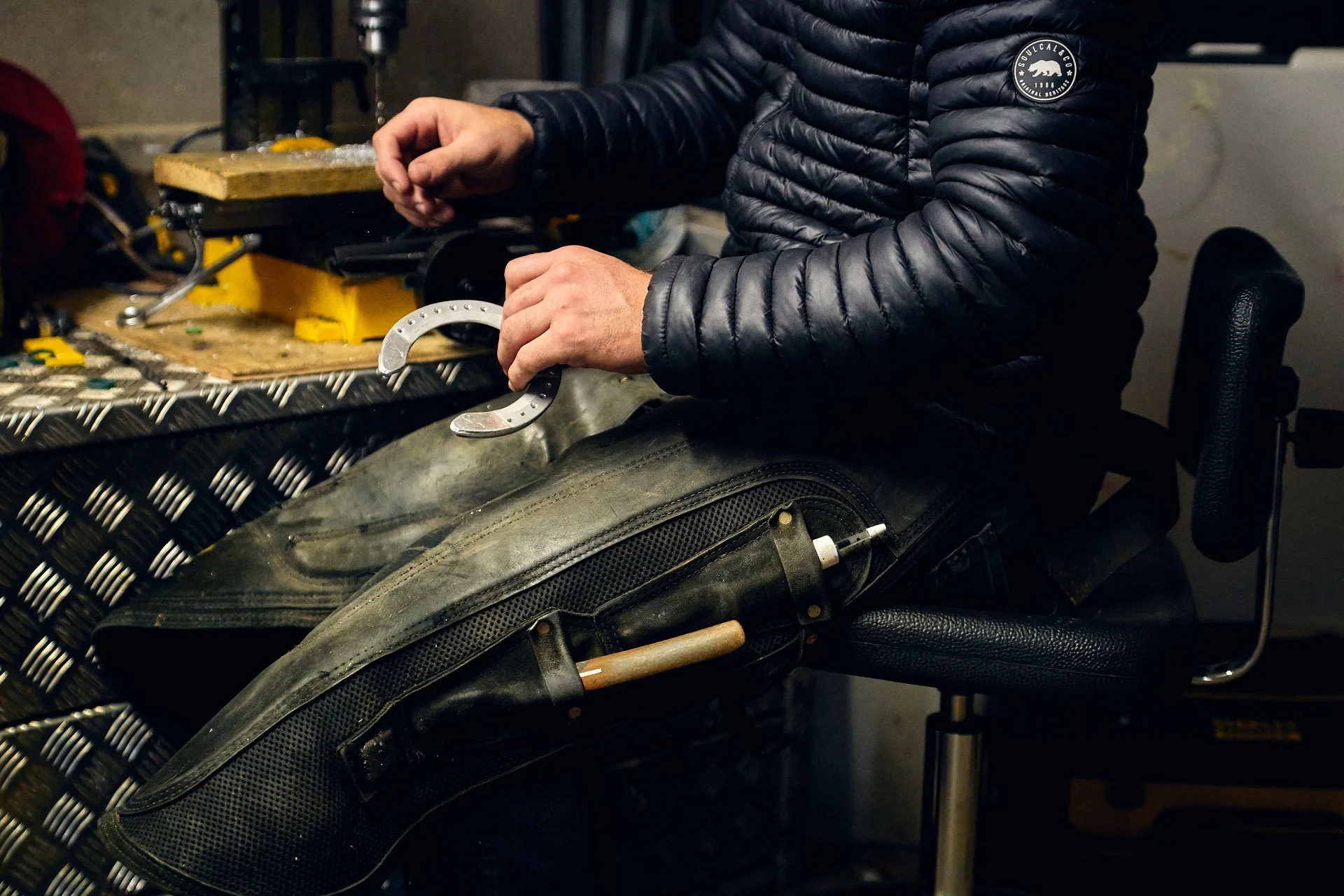
At its core, consultancy exists for one reason: to improve outcomes for horses.
Better structure, better communication, better decisions, and better collaboration lead to healthier feet, fewer injuries, and longer, more successful careers. That is what drives this part of our work, just as it does every other part of Ashmount Forge.